Initial Responsibility
- Set up Amazon and D2C sales channels
- Drive early conversion and growth
- Plan campaigns and promotions
- Track sales and digital marketing performance
Portfolio / IED Summer School
Editorial Case Study
Reframing a marketing-growth assignment into a user-centered business transformation across product, brand, growth and operations.
01 / Overview
From selling a smart device to building a user-centered nature-observation brand.
Kiwibit Smart Bird Feeder began as a 0-to-1 sales and growth project. But as the work unfolded, I realized that growth could not be solved by marketing alone.
The real challenge was broader: how to make a new premium smart bird feeder understandable, trustworthy, emotionally meaningful and operationally scalable. My role evolved from marketing execution into translating technical capability into user-perceived value, then turning that value into a scalable system for trust-building, growth execution and brand development.
Method Lens
Business Transformation Framing
Human-centered Growth
System Thinking
02 / Role
I was initially expected to drive 0-to-1 sales through channel setup, conversion and growth operations. But as the project unfolded, I realized that sales could not be improved in isolation.
The real challenge crossed product expression, user trust, brand language, fulfillment and post-purchase experience. I did not expand my role simply to cover more tasks. I expanded it because the problem itself crossed functional boundaries.
This role expansion was not about doing more.
It was about reframing what had to be solved.
Initial Responsibility
Expanded Contribution
Problem 1
The first phase focused on helping users understand, trust and choose a new premium product.
03 / Opportunity
The opportunity was not only to launch a new product, but to redirect existing technical capability into a more emotionally valuable category.
The company already had strong capabilities in AI imaging, smart hardware and connected-device development, proven through years of innovation in the security-camera category.
However, that market was becoming increasingly crowded and commoditized. Smart birding offered a more open and emotionally resonant opportunity: the same technical strengths could be applied to create everyday moments of wonder, learning and connection with nature at home.
Opportunity Flow
01
AI imaging, smart hardware and connected-device capability.
02
A category with more emotional resonance and more room to grow.
03
Technology reframed into an experience of clarity and connection.
Evidence & Insight
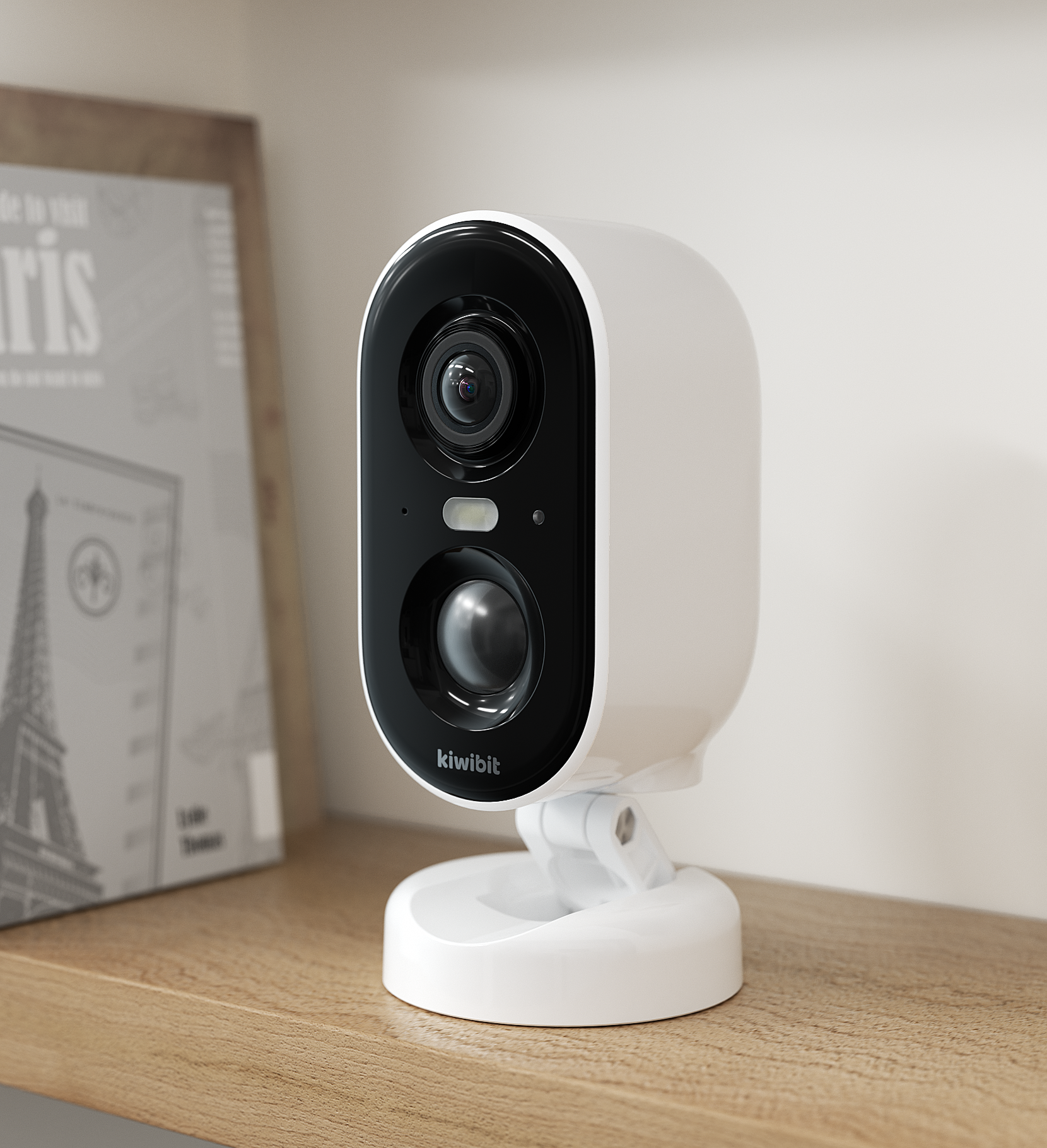
Proven AI imaging and smart hardware ready to be deployed in a new context.
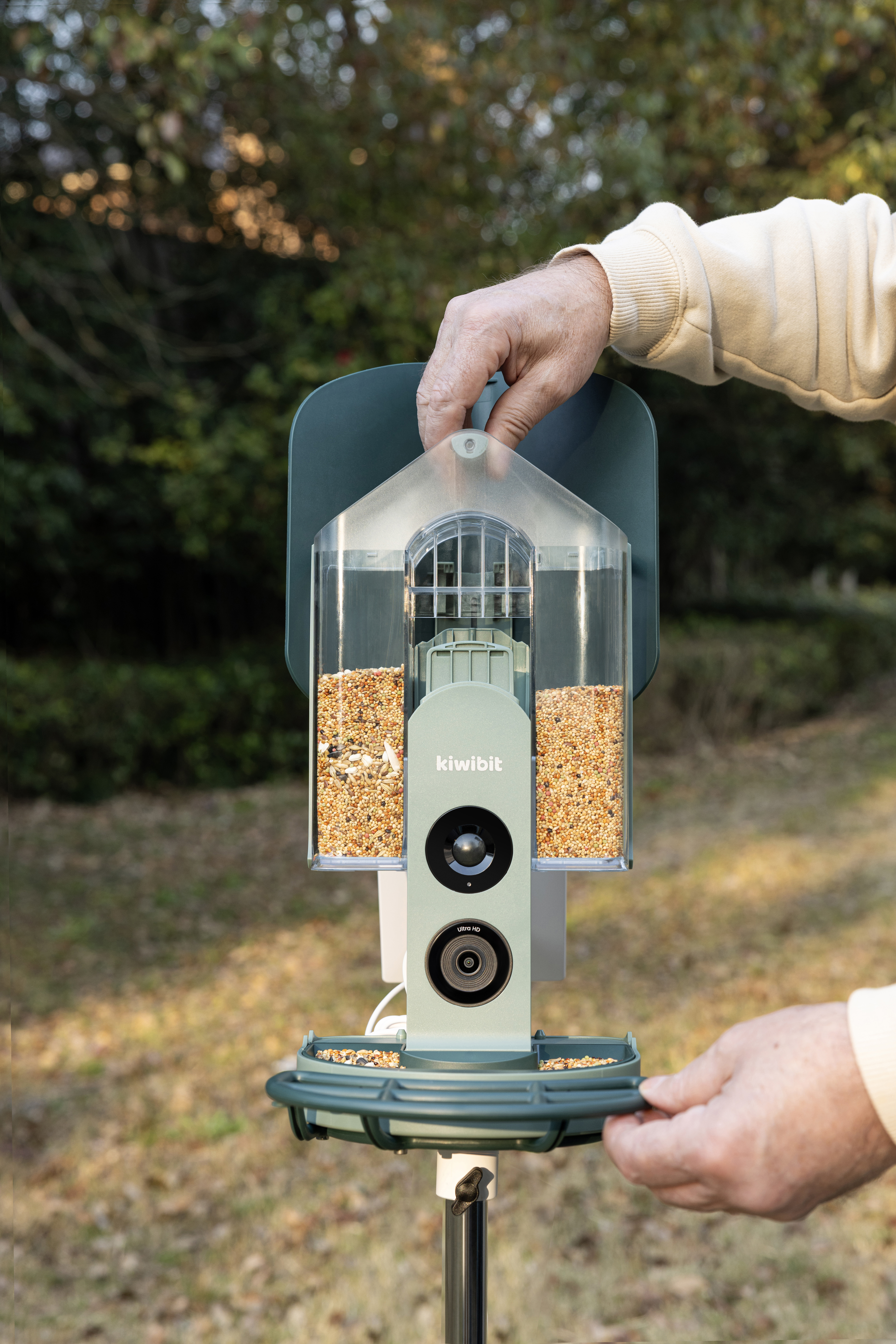
Designed for the backyard, integrated into everyday life and natural environments.

Creates moments of wonder, learning and connection with the natural world.
04 / Research
Mapping the market helped us understand who we were really designing for.
Competitive analysis revealed a structural gap: existing players were either emotionally appealing but weaker in hardware trust, or technically functional but less distinctive in experience value.
User research helped clarify the opportunity. We were not designing for generic tech consumers, but for premium backyard nature observers who valued clarity, reliability, effortless use and meaningful family sharing.
Core user motivation
Not buying a gadget. Buying a calmer, clearer way to reconnect with nature.
Value drivers
Clarity, reliability, low maintenance and meaningful family sharing.
VOC priorities
Clear bird footage first, species understanding second, outdoor reliability and device trust third.
Competitor VOC
Review keywords and pain points around reliability, video quality, connectivity and usability.
Feature proof
Comparison of imaging, power, storage and usability advantages.
Clear Bird Footage 36%
Species Understanding 26%
Outdoor Reliability 22%
Device Trust 16%
User signal
Survey and VOC synthesis showing that clarity ranked first, connection second and reliability third.
05 / Reframing
At first, the challenge looked like a traffic and conversion problem. But deeper analysis showed a chain of more fundamental issues: users did not immediately understand the value of a premium smart bird feeder, did not fully trust a new brand, and could not yet connect technical features to a meaningful daily experience.
More traffic would not solve unclear value, weak trust or fragmented experience.
The problem had to be reframed from selling a device to designing a user-centered nature-observation experience.
Reframing Canvas
From
How do we sell this product?
To
How do we build a user-centered business system around a new nature-observation experience?
Experience Logic
1
A moment happens naturally in the backyard.
2
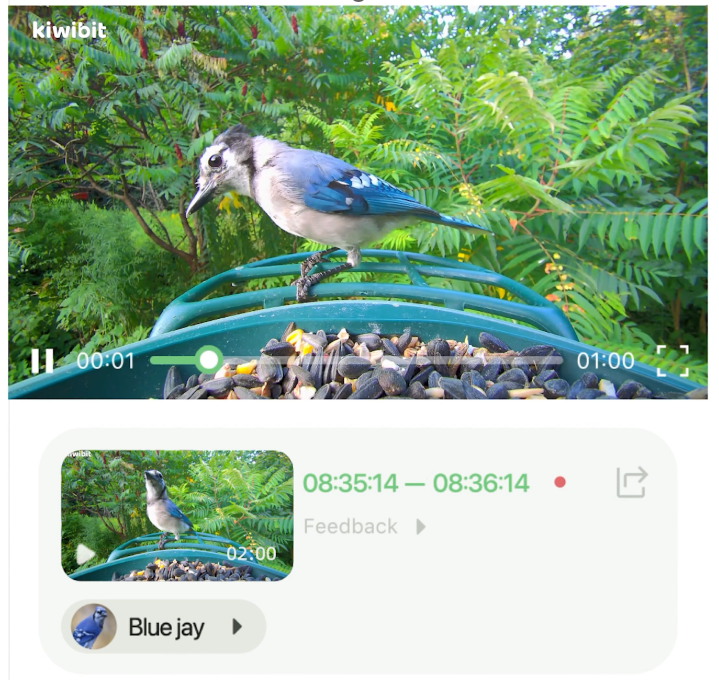
The user sees feather, color and movement details.
3
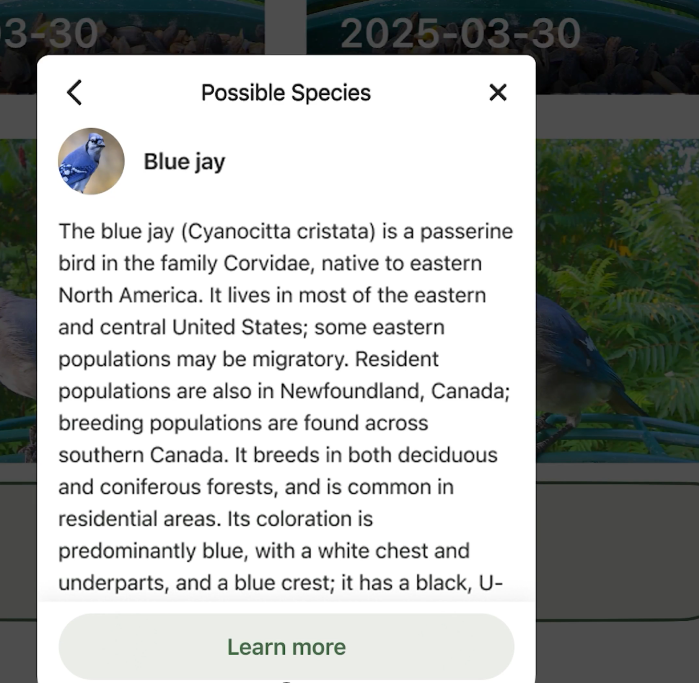
The app helps identify what the user is seeing.
4
The moment becomes memorable, emotional and shareable.
Evidence
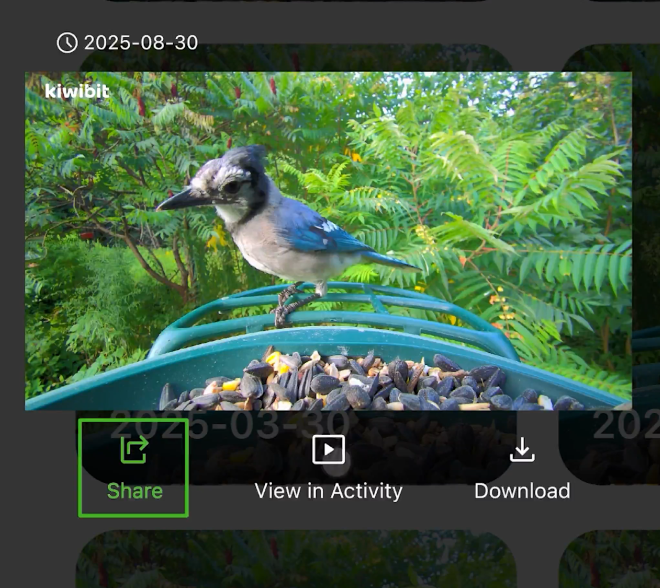
06 / Value Translation
My core task was not to promote features, but to translate technical capability into perceived human value. This became the bridge between product capability, user motivation and commercial conversion.
The Translation Logic
What the product is engineered to do.
What users worry about or need to resolve.
The human value that resolves the concern.
Where and how we communicate it.
07 / Trust System
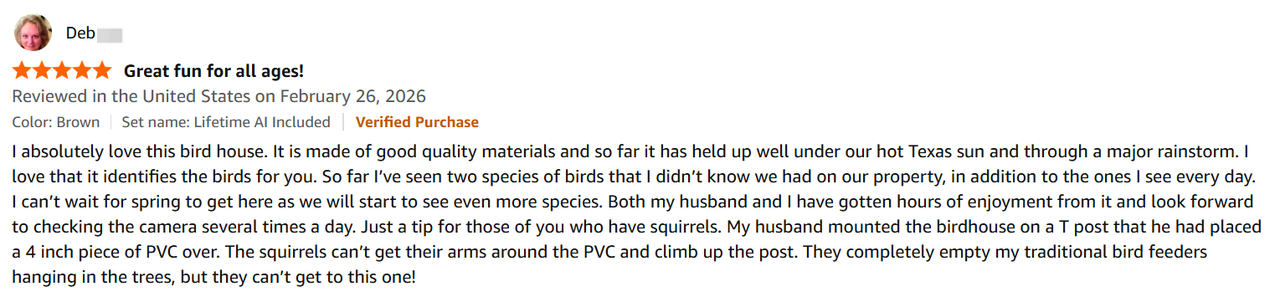
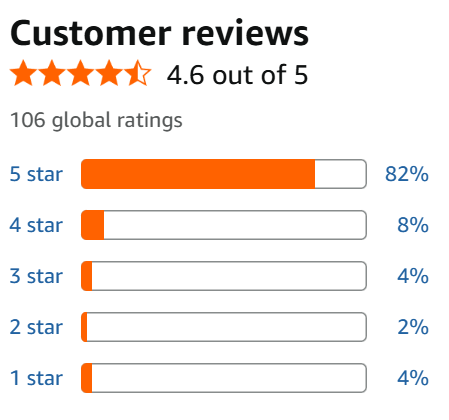
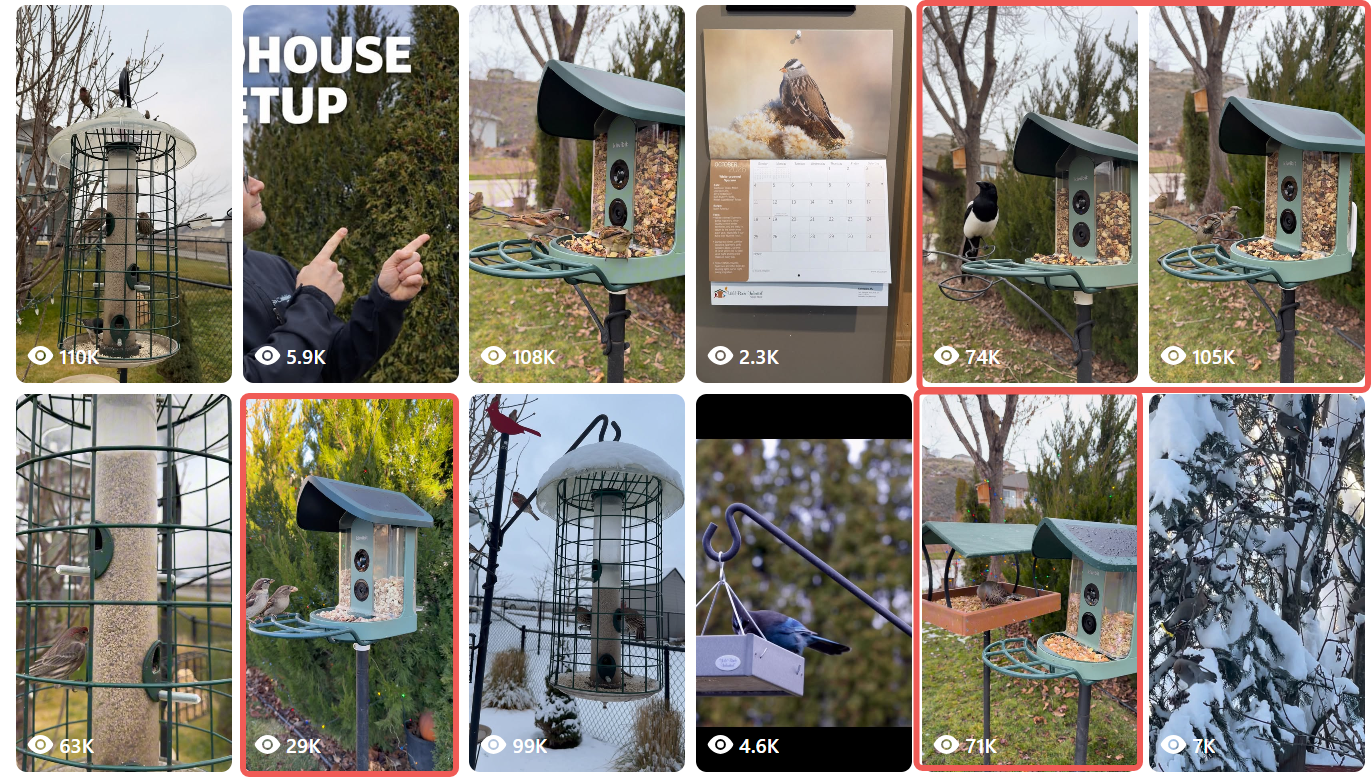
Trust was designed before it was advertised. A new premium brand could not rely on one persuasive message. Trust had to be confirmed repeatedly across the whole journey.
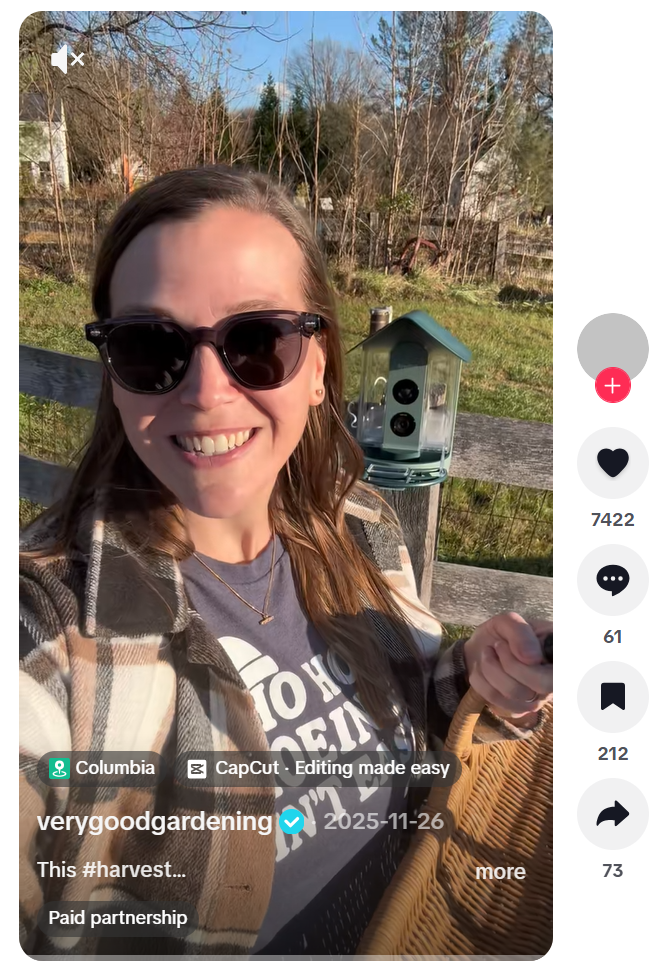
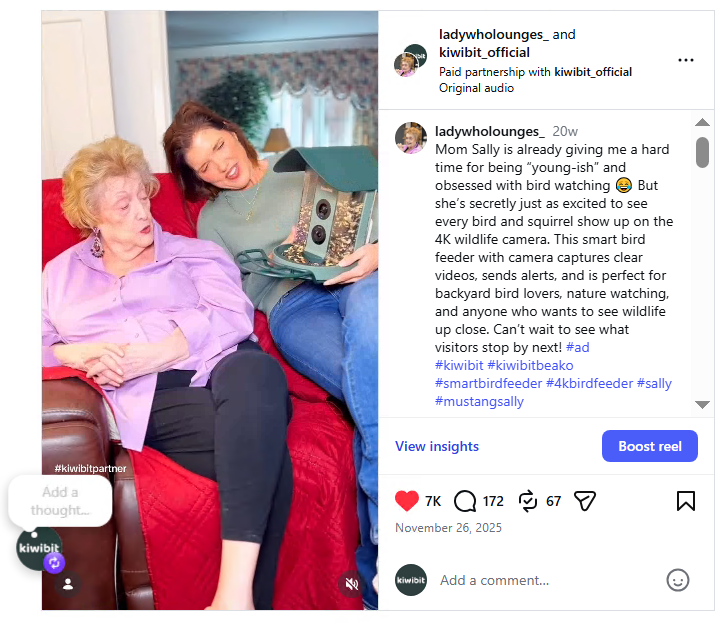
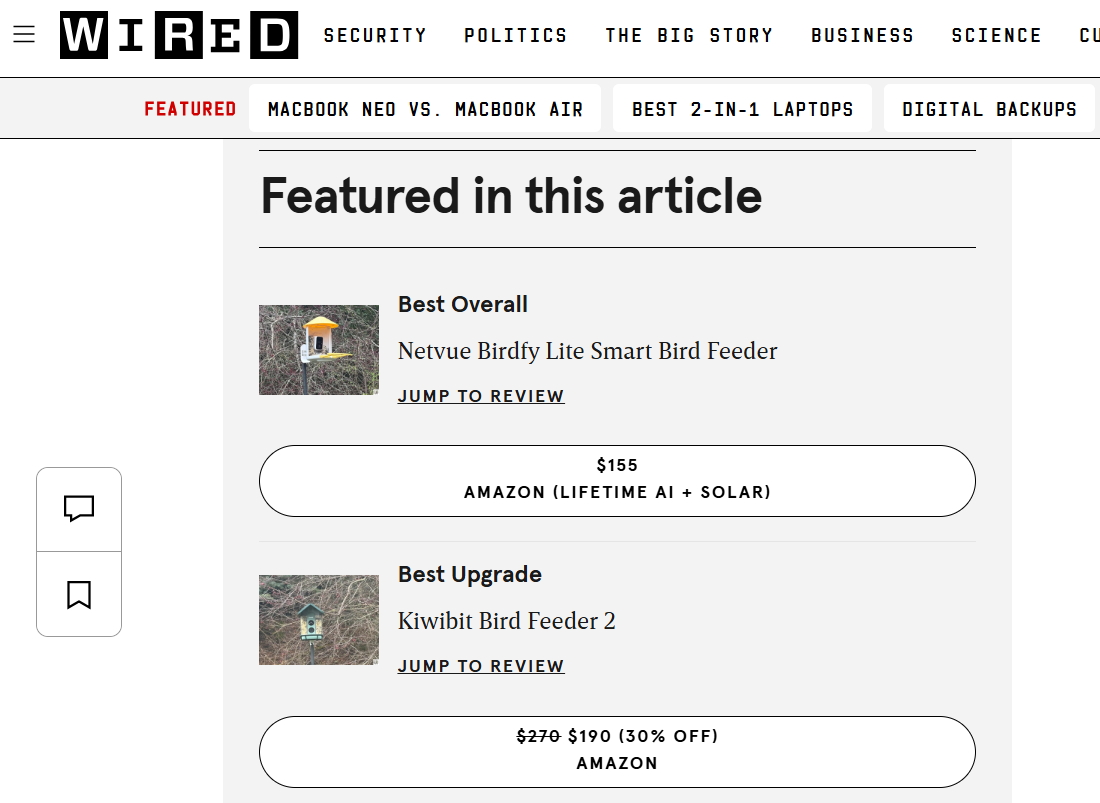
For Kiwibit, conversion was not simply a persuasion problem. It was a trust-building problem across listings, the D2C website, reviews, creators, press coverage, customer service, fulfillment and post-purchase feedback.
Validation Signals

08 / Experimentation
Promotional creatives could generate clicks, but not always meaningful conversion.
Early tests showed that users needed more than urgency. They needed a layered decision journey: first to understand the product and category value, then to resolve practical concerns, and finally to respond to promotion during peak sales periods.
Testing Pattern
Test different content angles and messages
Identify concerns and drop-off points
Build content in a layered decision path
Measure, learn, and iterate
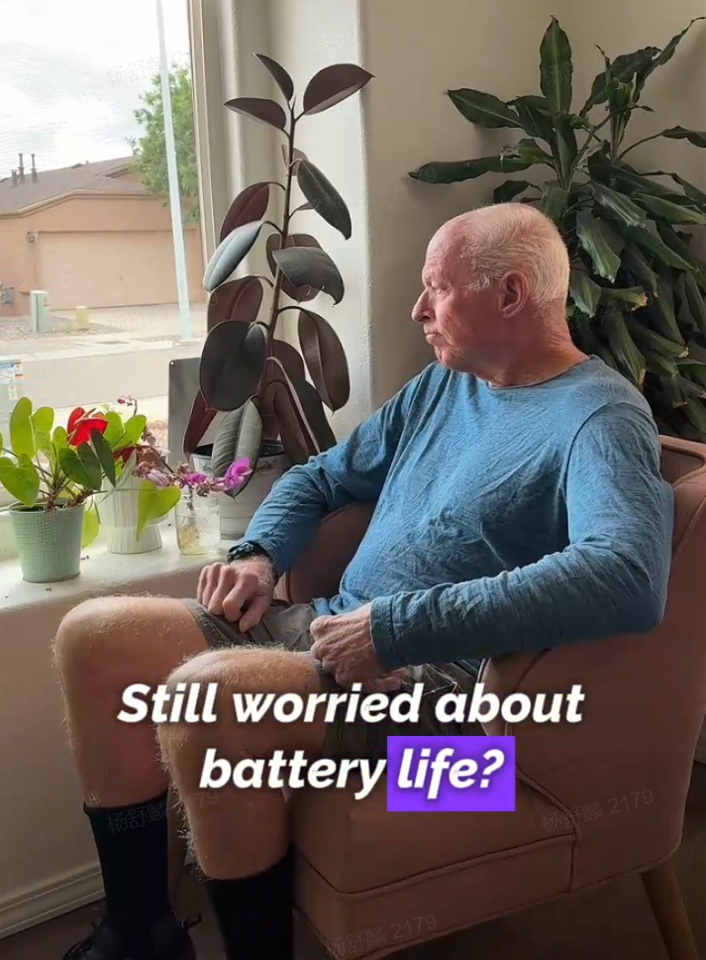
01
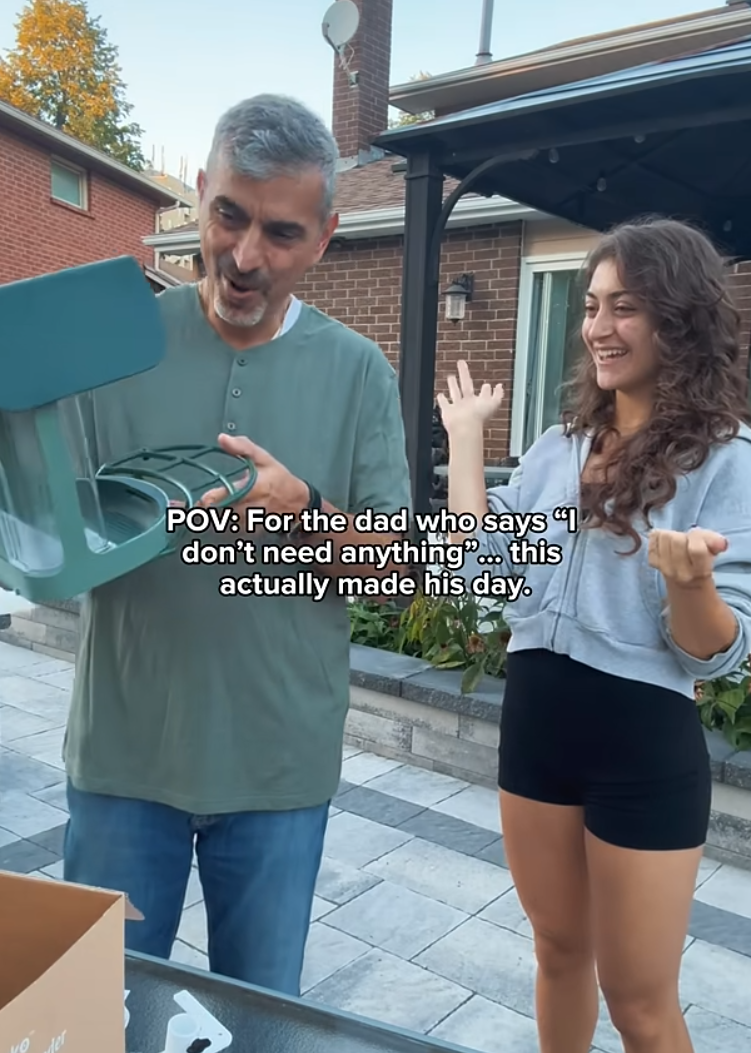
Build interest by introducing the product, category and emotional value.
What is this, and why should I care?
02
Resolve concern by connecting product strengths to real user doubts.
Will it actually work for me?
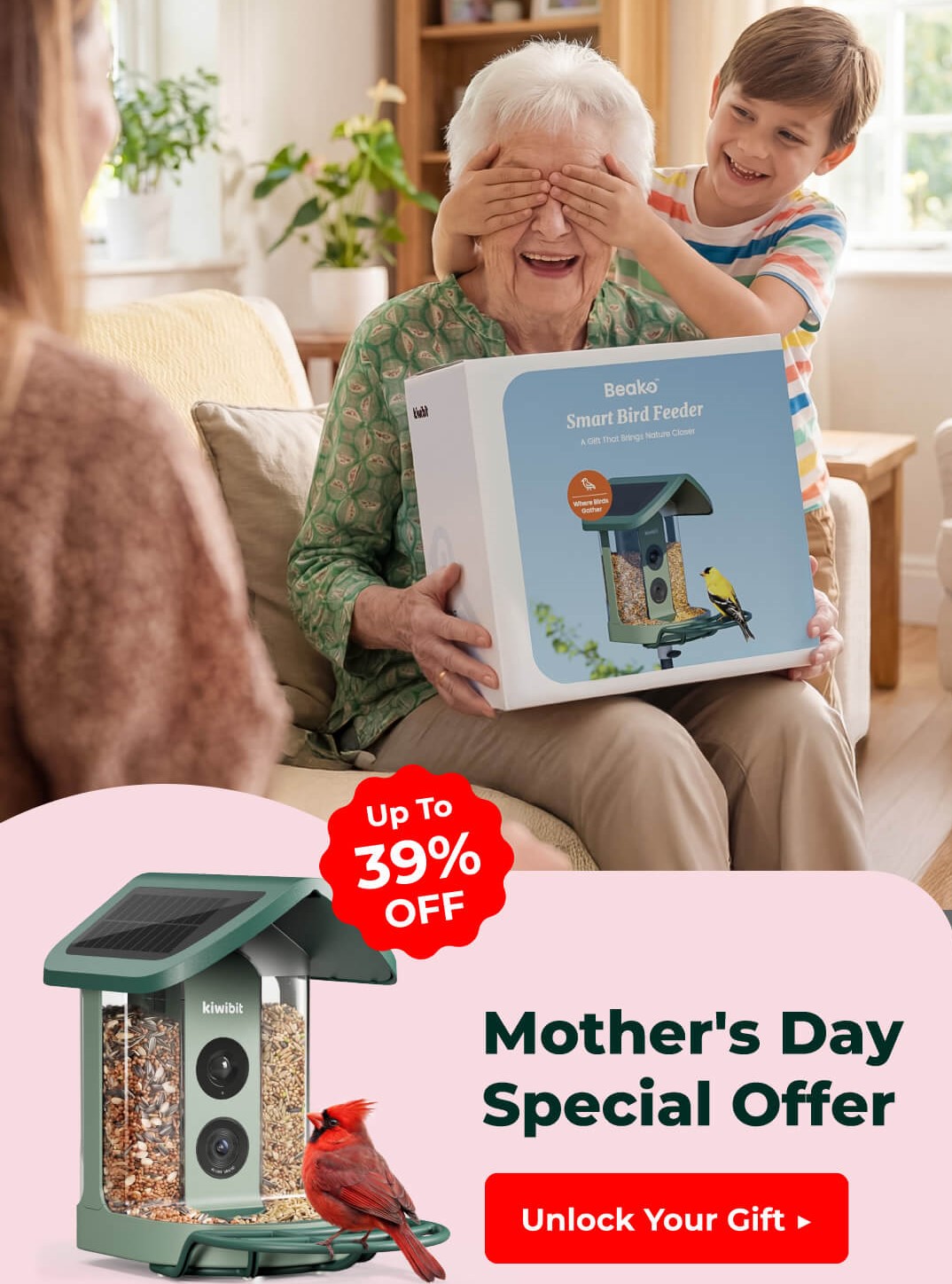
03
Convert demand during peak sales periods for already-informed users.
Is now the right time to buy?
09 / Scaling
Black Friday and the Christmas season became a stress test for the entire business system. Traffic, creative, inventory, fulfillment, warehouse capacity, customer expectations and review management were tightly linked.
During the peak period, FBA constraints created a serious fulfillment risk. I coordinated an alternative overseas-warehouse solution so products could still arrive before Christmas, despite increased operational complexity.
In a premium new-brand context, operational reliability became part of the brand experience itself.
10 / Validation
The first growth phase validated more than product demand.
Early sales, stronger conversion, positive ratings and stable peak-season delivery showed that the value proposition, trust system, growth strategy and operational setup were working together.
But validation was not the end of the transformation. Once the product proved it could sell, the next challenge was to understand what long-term brand meaning and product direction should grow from that traction.
Business Validation
System Validation
Technical value translated into user-perceived value.
Touchpoints reduced uncertainty for a new premium brand.
Layered content moved users from interest to conversion.
Fulfillment response protected the purchase experience.
The first phase proved market traction.
Transition
Sales data showed that the product could sell.
The next question was what the brand should become.
Problem 2
The second phase began when sales validated demand, but user research revealed a larger opportunity: users were not only buying a feeder, but a new way to experience nature.
11 / Second Reframing
Sales data showed the product could sell. User research showed what the brand should become.
After the first growth phase, we had proof that the product could sell. But sales validation did not answer the deeper question: what should the brand stand for beyond conversion?
Post-launch user research helped reveal the answer. Users were not simply buying bird detection. They were seeking a clearer, calmer and more emotionally rewarding way to observe nature from home.
The strongest signals were not only functional. Users repeatedly valued clear bird footage, reliable outdoor performance, low-maintenance use, AI recognition, new-species alerts and meaningful moments they could share with family.
Users wanted to see birds clearly — feather, color and movement details mattered more than abstract camera specs.
Outdoor reliability, power stability and low maintenance were essential to trust.
The product created small moments of calm, surprise and connection with backyard nature.
Sharing often happened in family chats or private conversations, not only on public social media.
Users expected AI to move beyond recognition toward tracking, reminders and story-like highlights.
User Learning Evidence
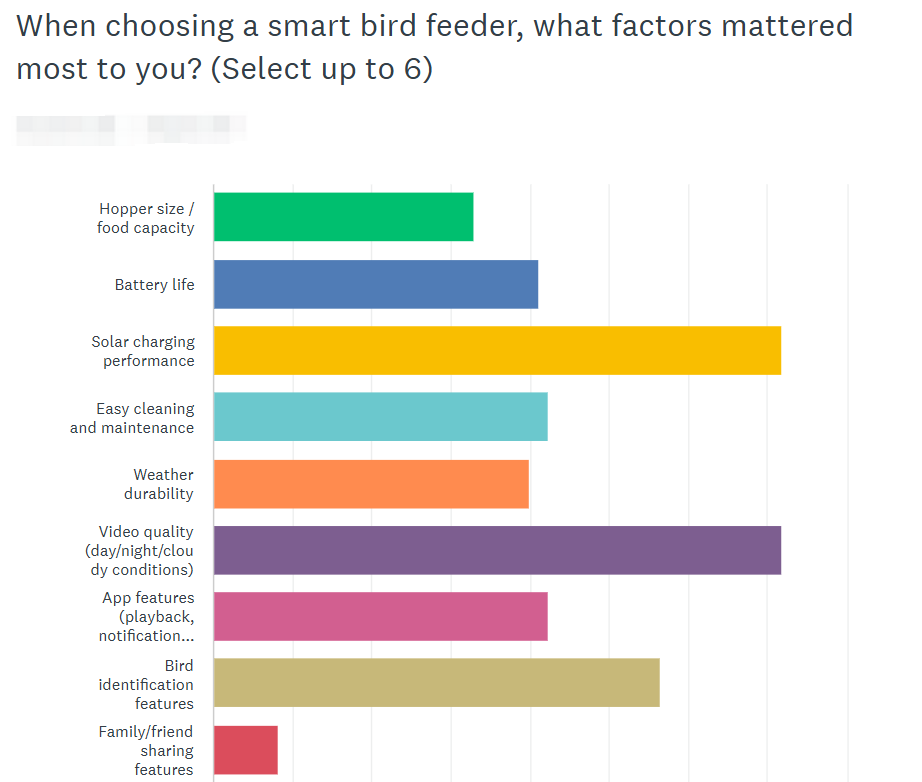
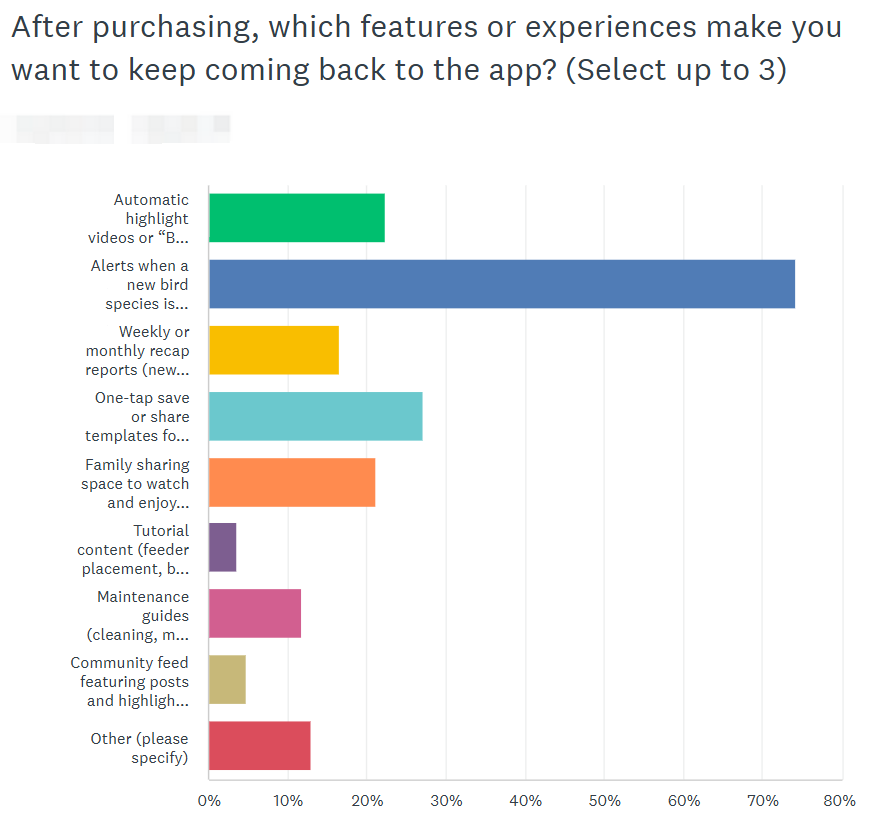
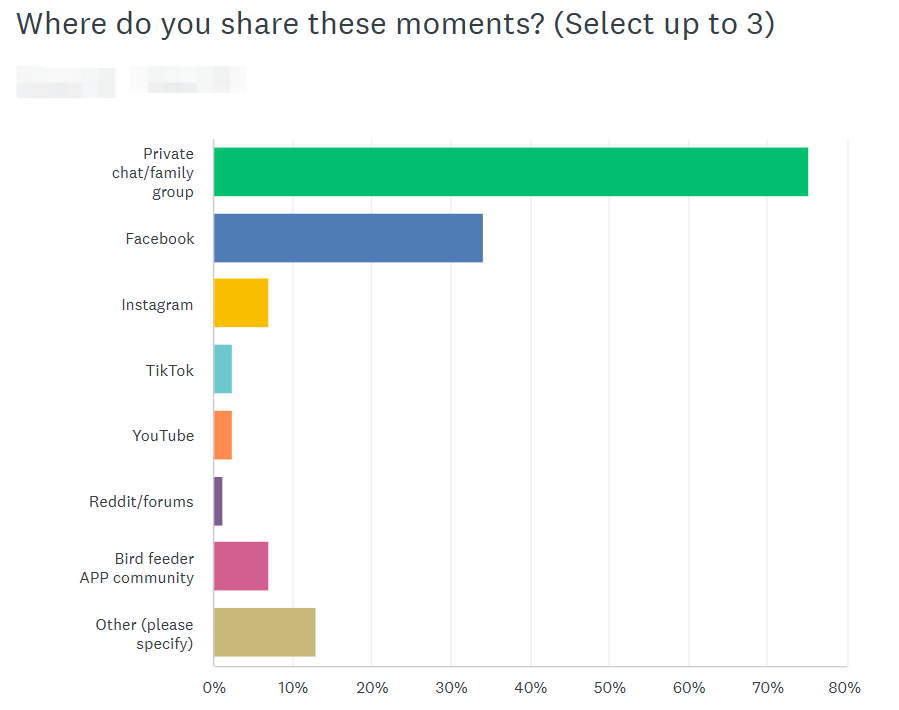
Representative signals from reviews, VOC synthesis and post-launch user feedback.
12 / Brand Transformation
The second phase reframed the challenge again: from proving product demand to building long-term brand meaning and product direction.
User research shifted our brand frame from “smart bird feeder” to “Smart Nature Theater” — a clearer, more immersive and more companion-like way to experience backyard wildlife.
This was not a cosmetic change in messaging. It shaped the future brand language, the product roadmap and the strategic choice to compete through clarity, reliability and experience quality rather than low price.
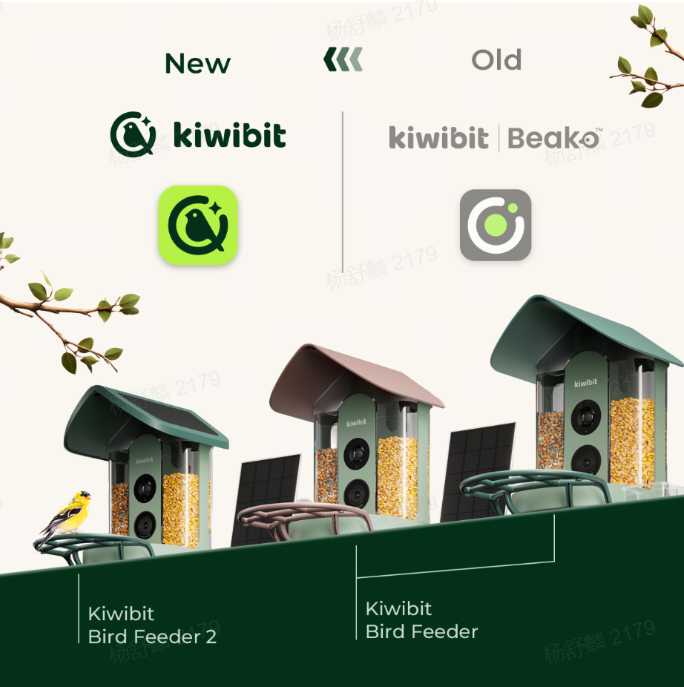
Second Reframing Flow
The product proved it could sell in the premium segment.
Users revealed deeper motivations beyond bird detection.
Smart feeder became Smart Nature Theater.
Roadmap priorities shifted toward clearer imaging, stronger AI, easier maintenance and reliable power.
The brand chose durable value and experience quality over low-price competition.
13 / Product Roadmap
Post-launch feedback showed that users valued clarity, reliability and emotional connection more than feature quantity alone. This helped us shift product planning from “what functions can we add?” to “what experience should we make easier, clearer and more meaningful?”
The roadmap therefore became a translation of brand strategy into product decisions: better imaging for real outdoor conditions, stronger AI for recognition and reminders, easier maintenance for everyday use, and a broader ecosystem that could support long-term nature observation at home.
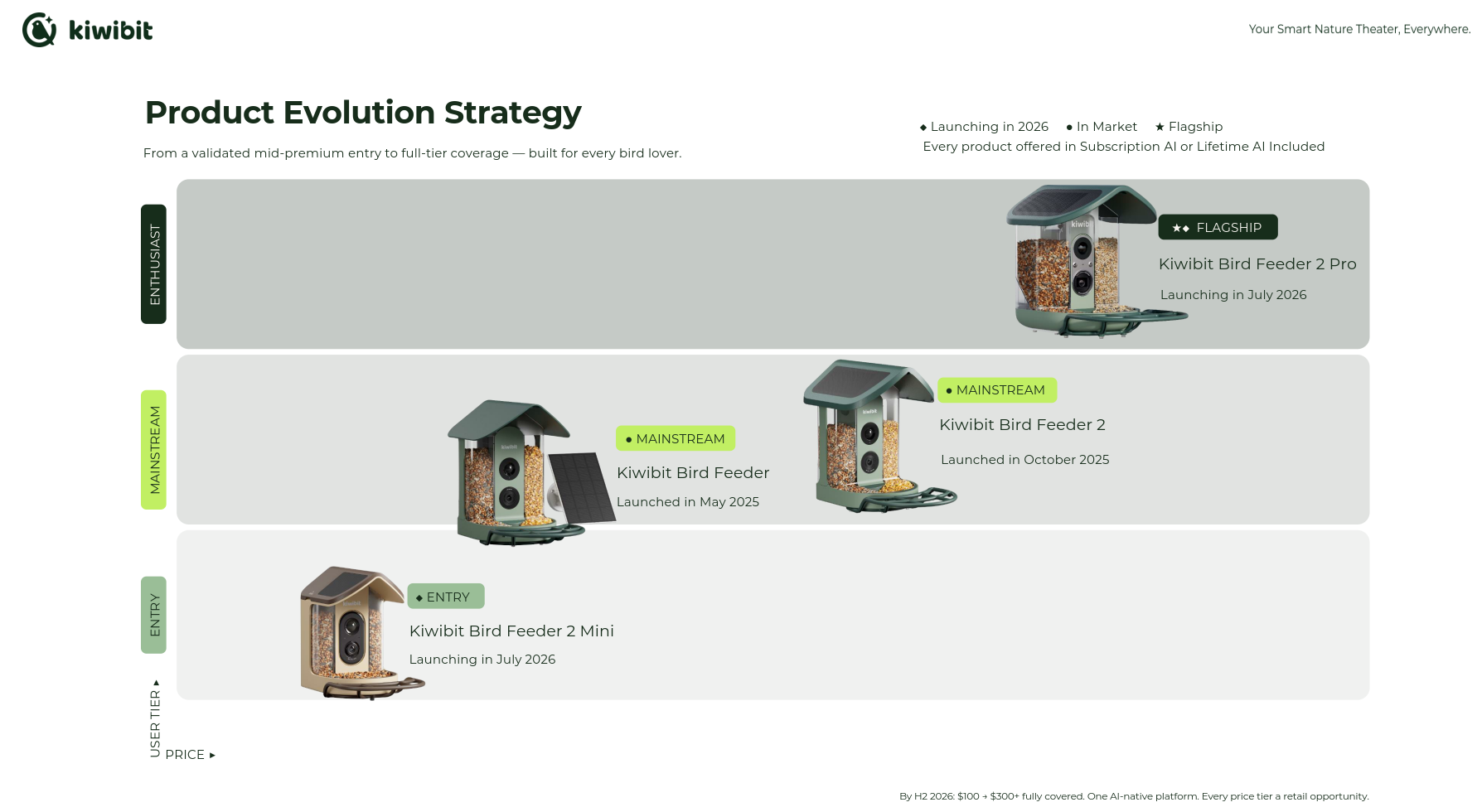
Validate & Establish
Optimize & Expand
Ecosystem & Growth
14 / Reflection
Growth was not only a traffic issue; it was a problem of value, trust and system alignment.
Technical capability only became meaningful when it was connected to user motivation and daily experience.
Brand trust was built through product quality, content, reviews, fulfillment, service and long-term roadmap decisions.
This project made me realize that I had been practicing design thinking instinctively: reframing problems, listening to users, testing assumptions and connecting decisions across product, brand, growth and operations.
I now want to make this capability more rigorous, transferable and intentional through IED’s Design Thinking for Business Transformation programme, so I can approach future transformation challenges with stronger methods, clearer frameworks and a wider strategic perspective.